
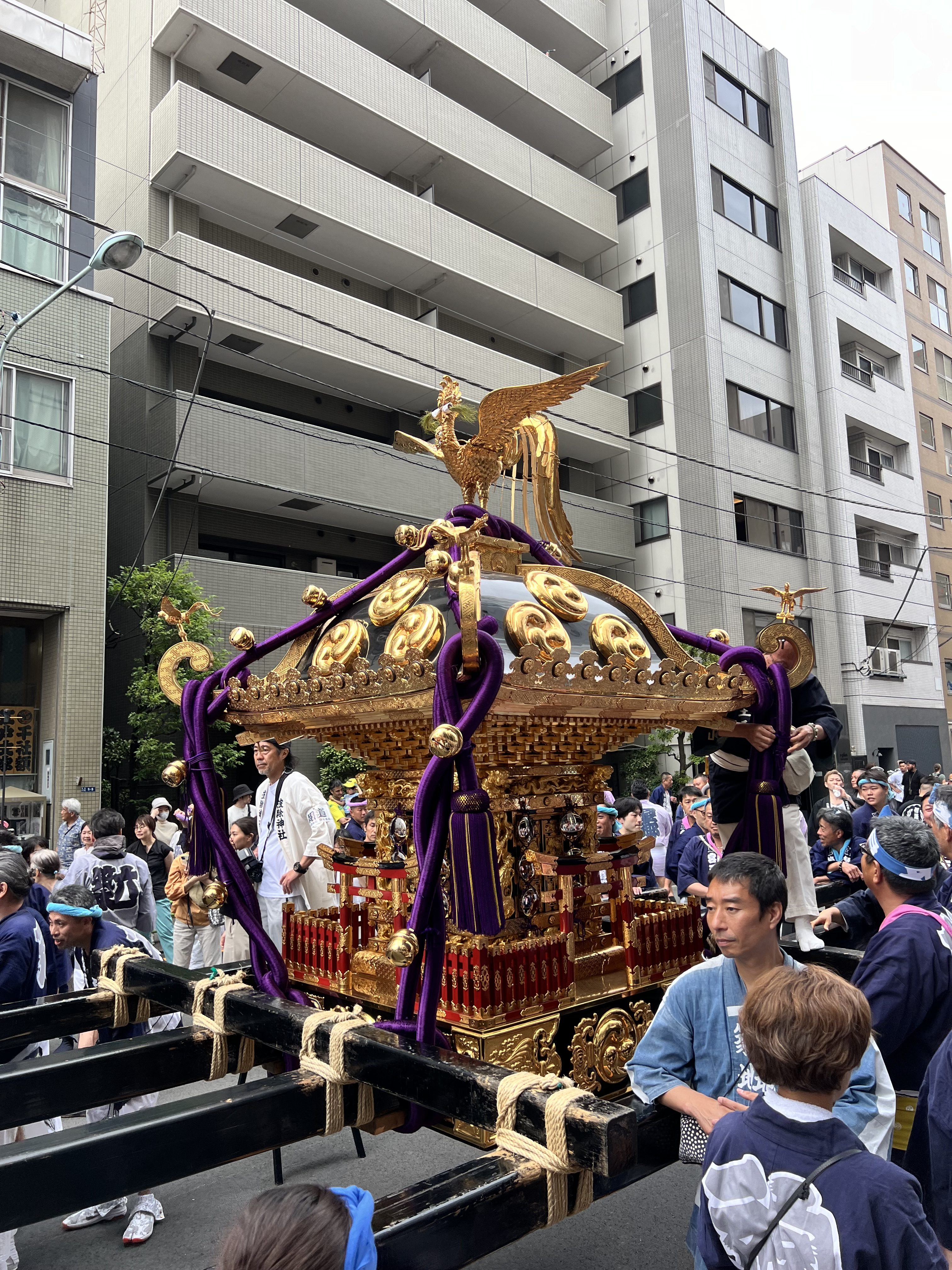

Planning your first trip to Japan is exciting, but can also feel really stressful and intimidating if you don’t know what to expect.
Between navigating the trains, unspoken etiquette rules, language barriers, using cash, convenience stores, and cultural differences, it is easy to feel like you need to know everything before you go.
The good news is: you do not need to be fluent in Japanese to have a good trip. Of course, it helps if you know some phrases, but there are ways to get by without a high level speaking ability.
Knowing a few practical things before you go can make your experience feel much smoother, less stressful, and more enjoyable.
Here are some things that are genuinely helpful to know before your first trip to Japan.
1. You do not need to be fluent, but basic Japanese helps a lot.
Many travelers go to Japan without speaking Japanese fluently, and that is completely okay. In major cities like Tokyo, Kyoto, and Osaka, you can usually get around with translation apps, signs, and basic English support. In some train stations, there are even station attendants that have “Talk-to-text” style translators that you both can speak in to communicate.
That being said, learning a few simple phrases can make a big difference:
Useful phrases to know:
- こんにちは(konnnichiwa): Hello/ Good afternoon
- ありがとう(ございます)(arigatou (gozaimasu)):Thank you (informal / formal)
- すみません (sumimasen): (excuse me / I’m sorry)
- おねがいします (onegaishimasu): Please
- いくらですか(ikura desu ka): How much is it?
- トイレはどこですか(toire wa doko desu ka): Where is the bathroom
Even if your pronunciation isn’t perfect, trying to use the language shows repspect and often makes interactions feel warmer.
2. Learn how to say “excuse me” and “thank you.”
If you only remember two phrases, remember these:
すみません (sumimasen)
This can mean “excuse me,” “sorry,” or “thank you” depending on the situation.
You can use it when:
- getting someone’s attention
- moving through a crowd
- asking for help
- apologizing lightly
ありがとうございます (arigatou gozaimasu)
This means “thank you” in a polite way.
You will use it constantly:
- at restaurants
- in stores
- when someone helps you
- when receiving something
These two phrases alone will carry you through a lot of daily interactions.
3. Trains are amazing and convenient, but they can feel overwhelming at first.
Japan’s train system is incredibly useful, but it can feel confusing the first time you use it, especially in large stations.
A few tips:
- Give yourself extra time
- Use google maps or a transit app (Sometimes, I found referencing two transit apps was helpful for accuracy)
- Pay attention to platform numbers.
- Check whether the train is local, rapid or express.
- This one is extremely important. This can change your destination and travel time rapidly and dramatically.
- Do not panic if you miss a train, another one is usually coming soon, and the wait time is posted somewhere on the platform on the screens.
Bonus note:
The JR Yamanote Line will be your best friend in Tokyo.

This line runs in a circle, and hits a lot of the major tourist destinations in Tokyo such as Ueno, Shinjuku, Ikebukuro, Shinagawa, and Shibuya. If you get on this line by accident, and don’t feel comfortable changing lines, don’t fret, you may get to your destination a little late, but you will absolutely wind up right where you started.
For your first trip, expect the stations to feel busy and confusing. That does not mean you are doing anything wrong. Just slow down, check your route, follow the signs, and make sure you leave plenty of buffer time.
4. Get an IC card if you can.
An IC card is a rechargeable transportation card used for trains, buses, vending machines, and even some stores.
Common IC cards include:


Instead of buying a ticket each time, you tap your card at the gate and go.
This makes travel much easier, especially if you are nervous about figuring out fares. If you have an iPhone, you may also be able to add a digital Suica or Pasmo to your wallet. You can read more about Pasmo and apple pay here.
5. Cash is more important than you think, for many reasons.
When I flew to Tokyo to begin my study abroad, I brought about $300 in cash to exchange at the airport. This might sound excessive, but it actually saved me from a lot of stress. Yes, fees are higher at the airport, but it’s the safer route to go if you want to ensure you won’t have money issues.
You may need cash for:
- smaller restaurants
- temples and shrines
- local shops
- some transportation stations
- vending machines or coin lockers
- or if you plan on visiting less touristy places
It is a good idea to carry some yen with you, even if you plan to use a card most of the time.
When I got to Japan, I couldn’t use an ATM.
You might be like “That’s insane, why wouldn’t you be able to use an ATM? Isn’t that kind of your own fault?”
I found that certain ATMS accepted my cards, and some didn’t, which made me even more grateful that i had exchanged for yen at the airport. It took me a few tries at different convenience stores to see which specific stores’ ATMS worked for me.
That being said, convenience stores like 7-Eleven, Lawson, and Family Mart have ATMS you can try. That brings me to my next note.
6. Convenience stores are incredibly useful.
Japanese convenience stores are of a different variety, meaning they aren’t just for snacks. They are genuinely helpful when traveling.
You can find:
- meals
- drinks
- toiletries
- umbrellas
- ATMS
- basic medicine
- chargers or small travel items
Stores like 7-Eleven, FamilyMart, and Lawson can be lifesavers, especially when you are tired, hungry, or unsure where to go, since they are open 24/7.


7. If you’re feeling overwhelmed with the language barrier, and just want a reliable place you can eat…
These are a few places that were always lifesavers. The food was always delicious, and they usually had tablets that had an English-menu option, or physical English menus if in a less populated place. The pictures on the menus also help with understanding a lot.
- Coco Ichibanya
- Hidakaya Ramen
- Sukiya


8. Quietness and awareness matter.
Japan is not silent, but there is often a stronger expectation of being aware of the people around you.
A few good habits to follow:
- keep your voice lower on trains
- avoid talking on the phone in public transportation and restaurants
- stand to the side if you need to check your phone
- be mindful of lines, escalator etiquette, and personal space
Bonus note: Japan really doesn’t have any public trash cans, but the streets are extremely clean.
Meaning, I’d recommend you carry a plastic bag with you to put your trash in until you get back to where you’re staying, or until you find a convenience store with a trash can.
9. Restaurant etiquette is simpler than it seems.
Eating in Japan can feel intimidating if you are worried about doing something wrong, but most situations are pretty straightforward.
Helpful things to know:
- many restaurants have picture menus or tablets
- some places have ticket machines at the entrance
- you usually do not tip
- slurping your noodles/broth when you are eating is common, so don’t be alarmed.
If you are unsure what to do pause and watch what other people are doing. That usually helps.
10. You do not need to plan every second.
There is alot to see in Japan, and it can be tempting to pack your schedule completely. But one of the best things you can do is leave room to wander.
Some of the best travel moments happen when you:
- find a quiet side street
- stop at a small cafe or local restaurant
- walk through a neighborhood
- explore a shrine you did not plan for.
- take your time in a convenience store or bookstore
Have a plan, but do not overplan so much that you can’t enjoy where you are.
Final thoughts
Your first trip to Japan does not have to feel overwhelming.
You do not need to be fluent, and you do not need to know every cultural rule perfectly. What helps most is learning a few useful phrases, understanding basic etiquette, and giving yourself the space to figure out things as you go.
A little preparation can make the whole trip feel more comfortable, especially when it comes to language.
If you are preparing for a trip to Japan and want help learning practical Japanese before you go, I offer beginner-friendly lessons focused on real conversation and travel situations.
Book a free 15-minute intro call and we can talk about what would be most useful for your trip or help you get started with some beginner-friendly Japanese lessons.
Leave a Reply